New analysis highlights the strength of grassroots democracy and fresh opportunities
New analysis from our partners, the Democracy Club, highlights an encouraging picture of grassroots democracy ahead of the 7 May 2026 parish and town council elections. Thousands of people across England are stepping forward to serve their communities, a clear sign of the continued strength and relevance of local representation.
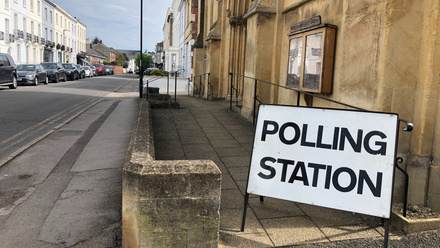
Elections are taking place across 33 local authority areas this year, covering 376 parish and town councils and 3,401 seats. A significant 67% of seats have already been filled uncontested, reflecting the accessibility of councils and the willingness of local people to serve without the need for a formal contest. While only 24% of wards will see a poll on 7 May, this points to the stability and continuity of local representation across many communities. Notable elections this year include the first-ever polls for new large town councils in Bournemouth, Broadstone and Poole, which will together raise a precept of over £4 million, as well as new councils in Horsham and Gedling, reflecting the ongoing growth of the first tier of local government.
The analysis also underlines the community-led, non-partisan character of parish and town councils, with 76% of candidates standing as independents or with no party affiliation. Where parties do stand, contests are far more likely, 90% of party candidates will face a poll, compared to just 10% of non-party candidates. Labour has the highest number of candidates in contested wards with 164, followed by the Liberal Democrats on 156, Conservatives on 139, Greens on 118 and Reform UK on 101.
However, the data also highlights areas where more work is needed. Some 632 seats (19% of the total) will remain vacant after 7 May because not enough candidates came forward, and eight parish and town councils will be left inquorate. Only 57% of contested wards have two or more candidates per seat, limiting voter choice. These figures reinforce our long-standing calls for action to make it easier to stand and serve as a councillor, including through allowances, flexible meeting arrangements and improved accessibility.
The data underlines the unique and vital role parish and town councils play in England's democratic landscape. Widespread, locally rooted and open to all.
To build on these strong foundations, we continue to urge the government to recognise the key role councillors play in bringing their communities together and invest in the National Improvement Strategy to expand training and development. By backing targeted recruitment campaigns such as our Make A Change campaign and working in partnership with the sector, the government can help bring forward candidates from a wider range of backgrounds and experiences and ensure parish and town councils truly reflect the communities they represent.