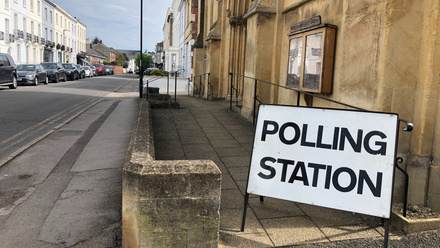
Representation of the People Bill
The Representation of the People Bill makes provisions for extending the right to vote to 16 and 17 year olds, the registration of voters, the administration and conduct of elections, referendums and recall petitions, election agents' addresses, political expenditure and political donations, information to be included in electronic campaigning material, offences and civil sanctions in connection with elections, referendums and recall petitions and with donations and expenditure for political purposes, the disclosure of information by the Electoral Commission, the disqualification of offenders for holding elective offices, and their sentencing, where offences are aggravated by hostility towards persons involved in elections, referendums or recall petitions or holders of such offices, for connected purposes, and to repeal provision about the designation of a strategy and policy statement for the Electoral Commission.
Stages
House of Lords Second Reading - 14 September 2026
This parliamentary briefing was published on 16 October 2026.
Background
This briefing has been prepared to support parliamentarians through the passage of the Representation of the People Bill, which is due for Second Reading in the House of Lords on 14 September 2026.
Overview
This Bill represents a significant opportunity to strengthen democratic participation at parish and town council level by opening elections to more diverse voters and candidates, including young people, removing barriers to standing and serving, and empowering the councillors who are the lifeblood of local communities.
NALC welcomes the government's ambition to deliver the "biggest expansion of democratic participation in a generation" and supports its commitment to modernise our democracy. We also welcome their recognition of the important role played by parish and town councils in their communities:
- "The Government values the important work of town and parish councils in representing their communities and delivering local services." — Miatta Fahnbulleh MP, Former Minister for Devolution, March 2026
- "The Government really value the role of town and parish councils; where they exist, they play an absolutely vital role in local democracy and in championing the priorities of their communities." — Baroness Taylor of Stevenage, Lords Minister, April 2026
NALC believes the government's ambition for this Bill will be realised if reform is felt in every community, particularly through parish and town councils. Our councils are fundamental to civic participation, with around 10,000 councils and 100,000 councillors contributing over 14.5 million volunteer hours each year, representing 35 million people and giving communities a direct voice in decision-making.
The Bill will succeed if it strengthens participation through parish and town councils, encouraging more people to vote, enabling more people to stand, and better supporting those who serve, thereby rebuilding trust in democracy from the ground up.
Parish and town councils: Central to democratic renewal
Parish and town councils are the most local and accessible tier of local government. They are deeply rooted in their communities and often the first point of democratic engagement.
The government's ambition to strengthen and modernise democracy must be delivered locally. This Bill has the potential to be a gamechanger, widening participation to a more diverse range of candidates and voters and creating new opportunities for engagement at the grassroots level.
NALC stands ready to work with ministers and parliamentarians to ensure the Bill delivers meaningful and lasting change as it progresses through parliament. This briefing includes analysis of the key elements of the Bill, as well as proposals which have not been considered under the current legislation. We look forward to working with ministers and parliamentarians as this critical piece of legislation makes its way through parliament.
Key priorities: Summary
Part one: Young voters
NALC welcomes lowering the voting age to 16 as a significant step toward strengthening democratic participation. Parish and town councils, as the most local tier of government, must play a central role in preparing and engaging young voters. NALC is proud to support the Star Council Awards, which include an award for Young Councillor of the Year to celebrate and encourage youthful engagement in local democracy. Furthermore, the National Youth Strategy recognises the value of empowering young people to shape the communities and societies they are part of.
The Bill should therefore ensure partnership with parish and town councils, align delivery with the National Youth Strategy, and support measures that encourage more young people to stand for election, improving the diversity of local representation.
Part two: Registration of voters
NALC supports simplifying voter registration but believes reforms must go further to reflect modern lifestyles and remove barriers to participation. The current system remains outdated, and parish and town council elections provide an opportunity to pilot innovation.
The Bill should therefore enable secure pilots of online voting, introduce digital nomination systems to streamline processes, and use local elections as a testing ground for modern, technology-enabled democratic participation.
Part three: Conduct of elections
NALC supports the direction of reforms but highlights that current election processes remain complex, inconsistent, and costly, deterring participation and creating unnecessary burdens.
To address this, the Bill should simplify nomination procedures, introduce a fair and transparent framework for election fees with appropriate cost controls, extend timeframes for filling vacancies to improve candidate recruitment, and reform rules that can delay councils becoming quorate and operating effectively.
Part six: Hostility towards candidates
NALC strongly supports measures to address harassment and intimidation of candidates, recognising that a safe environment is essential for democratic participation. However, further action is needed to ensure protections are effective at all levels.
The Bill should strengthen safeguards against abuse, improve privacy protections such as limiting the publication of candidates' home addresses, and ensure parish and town councillors are fully covered by protections available elsewhere in local government, such as Operation Ford.
Proposed additions: Summary
While NALC agrees with the premise of the Representation of the People Bill, we believe there are areas which have not been considered under current legislation and would strengthen the bill and support for local democracy.
Remote and hybrid meetings
NALC has welcomed the government's commitment to allow councils greater flexibility to hold remote and hybrid meetings, a reform it has long advocated. Drawing on lessons from COVID-19, NALC highlights that remote meetings can boost attendance, improve accessibility, and enable broader participation in local decision-making, while also reducing barriers to standing for election and supporting greater diversity among councillors. Embedding these provisions in legislation would help modernise democratic engagement and enhance transparency, accessibility, and public confidence in local governance.
The Bill should enable councils to meet flexibly where appropriate, improving accessibility, increasing participation, and supporting a more diverse range of councillors by removing practical barriers to involvement.
Abolition of parish polls
NALC supports the Association of Electoral Administrators' Blueprint Report recommendation to abolish parish polls, noting that they are outdated, non-binding mechanisms that fall short of modern electoral standards, particularly on voter ID and accessibility. Typically costly and associated with low turnout, parish polls have long been recognised by successive governments as problematic but remain unreformed. Their abolition would create a more consistent, modern, and accessible electoral framework, aligned with the Bill’s wider aim of strengthening public confidence in democratic processes.
The Bill should remove an outdated and costly mechanism that is typically characterised by low turnout and inconsistent with modern electoral standards on accessibility and voter identification.
Duty to promote democracy
The government should reintroduce a strengthened duty to promote democracy, requiring national and local authorities to actively encourage public participation in local elections, including at parish and town council level. Building on provisions in the Local Democracy, Economic Development and Construction Act 2009, which promoted awareness of council roles, democratic processes, and engagement with connected authorities such as parish and town councils, this duty was removed by the Localism Act 2011. Reinstating it would ensure participation is actively supported rather than left to chance, helping to increase awareness, turnout, and engagement in line with the Bill's aim of expanding democratic participation.
The Bill should reintroduce a statutory duty on national and local government to actively promote democratic participation, increase awareness of local governance, and encourage people to stand for election.
National Democracy Fund
NALC is calling on the government to establish a National Democracy Fund to support the promotion of parish and town councils, their elections, and wider democratic participation. Acting as a seed fund, it would enable parish and town councils, alongside principal authorities, to better engage communities and raise awareness of local democracy. This investment would help ensure that legislative reforms lead to tangible increases in participation, supporting the government's ambition to renew and strengthen democratic engagement nationwide.
The Bill should establish dedicated funding to support parish and town councils, alongside principal authorities, in promoting elections, engaging communities, and increasing turnout across all levels of local government.
Support for councillors
Our communities thrive when people get involved, give up their time, and come together to act on the issues they care about. This includes councillors who are the lifeblood of local democracy and the cornerstone of local government, working hard to make a real difference in their community. There are around 100,000 parish and town councillors in England, four times as many as in principal authorities, volunteering over 14.5 million hours a year to provide local leadership and improve their communities. They are the lifeblood of local democracy, and NALC welcomes the Devolution White Paper's recognition of their role as frontline community convenors.
The Bill should extend the parish basic allowance and dependent carer's allowances to parish councillors to remove barriers to participation; invest in training and development through the National Improvement Strategy; and reform outdated legislation and funding arrangements to improve recruitment, retention, and effectiveness of councillors.
Dependants' carers' allowance
Currently, only principal local authorities can make Dependants' Carers' Allowance payments to their councillors to enable their councillors with children or dependants requiring care during council meeting times to attend council meetings. This is also available to community and town councils in Wales but, oddly, not parish and town councils in England. This is morally wrong and should be rectified as part of the Representation of the People Bill as soon as possible. The link to elections is that allowing parish and town councils who want to use their precept to pay their parish and town councillors the Dependants' Carers' Allowance to enable their children or dependants to be cared for during council meeting times would vastly increase councillor attendance at council meetings, would increase diversity on parish and town councils and would act as an incentive for more people to stand for election to parish and town councils at parish and town council elections. This follows the government's rejection in 2026 of the Weymouth Town Council Sustainable Communities Act proposal (2019) – after an unacceptable 7-year delay, so NALC, Weymouth Town Council and the parish and town council sector are now lobbying collectively on this key issue.
The Bill should amend the Local Authorities (Members' Allowances) (England) Regulations 2003/1021 and the Local Authorities (Members' Allowances) (England) (Amendments) Regulations 2004/2596 to grant parish and town councils who want to the power to make Dependants' Carers' Allowance payments to their councillors, to facilitate increased attendance at council meetings, to increase councillor diversity, and to act as an incentive for increased candidacy at parish and town council elections.